advertisement
Powering Autonomous Robots: What Developers Should Know About Lithium Batteries
Robotics developers typically spend most of their time working on perception algorithms, navigation software, and artificial intelligence models. But when a robot fails in the field, the problem is often not the software, but the power.
Understanding how lithium battery systems work can help developers build more reliable robots.
Key Battery Specifications Developers Need to Understand
Even if you are primarily a software engineer, several battery parameters are important.
voltage
The voltage determines the power delivered to the motors and electronics.
Common robot voltages include:
- 24V
- 36V
- 48V
Stable voltage output ensures consistent robot performance.
Capacity
Battery capacity is measured in ampere-hours (Ah).
Higher capacity means longer uptime.
Example:
24V 20Ah battery
≈ 480Wh of energy
C rate (discharge rate)
Robots often require bursts of high power when accelerating or climbing slopes.
The C rate describes how quickly a battery can deliver power.
For example:
- 1C download: complete download in 1 hour
- 3C Download: Complete download in 20 minutes
Industrial robots typically require highly discharged lithium batteries.
Battery telemetry and robot software
Modern battery packs include smart BMS systems that provide data such as:
- voltage
- current
- temperature
- charging status
- battery health
Developers can integrate this data into the robot software to enable features such as:
- low battery warnings
- auto loading navigation
- battery status diagnosis
Common power problems in robots
Developers often encounter problems such as:
- sudden voltage drops under load
- inaccurate battery percentage readings
- unexpected robot shutdowns
These problems often arise from:
- insufficient battery discharge capacity
- poor BMS integration
- improper battery size
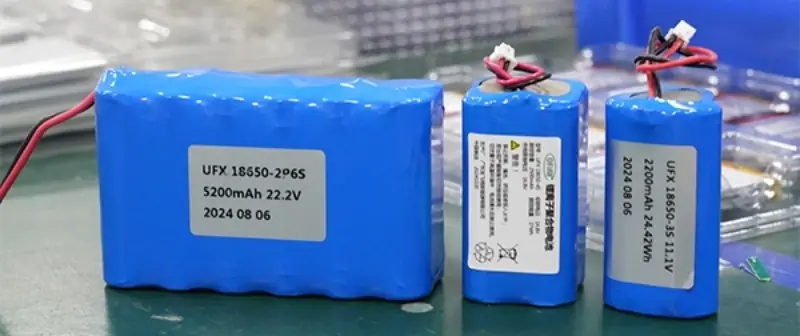
Why Custom Battery Packs Are Important
Commercially available batteries rarely meet the exact needs of autonomous robots.
Therefore, many robotics companies work with lithium battery manufacturers who design custom battery packs optimized for:
- robot size limitations
- power requirements
- communication interfaces
- safety regulations
Final thoughts
Reliable robots require reliable power systems.
Even for software developers, understanding the basics of lithium battery design helps ensure that robots operate smoothly, safely, and efficiently in real-world environments.
advertisement
Related Articles




advertisement